

Every aspiring mobile food owner faces the same fork in the road: the food truck vs. food trailer question. Both options serve delicious food on wheels, yet they suit very different budgets, menus, and operating styles. Therefore, this guide compares them side by side across mobility, cost, space, licensing, and maintenance — and ends with a simple framework that points you to the right choice.
Here is the honest headline: neither option wins overall. The best choice depends on how you plan to operate, where you plan to sell, and how much you want to invest. Read on, and you will know exactly which vehicle fits your business.
Food Truck vs. Food Trailer: Quick Comparison
Start with this snapshot table, then dive into the details below.
In short, a food truck buys you mobility, while a food trailer buys you space and savings. Now let us examine each factor in turn.
Mobility: Getting Around Town
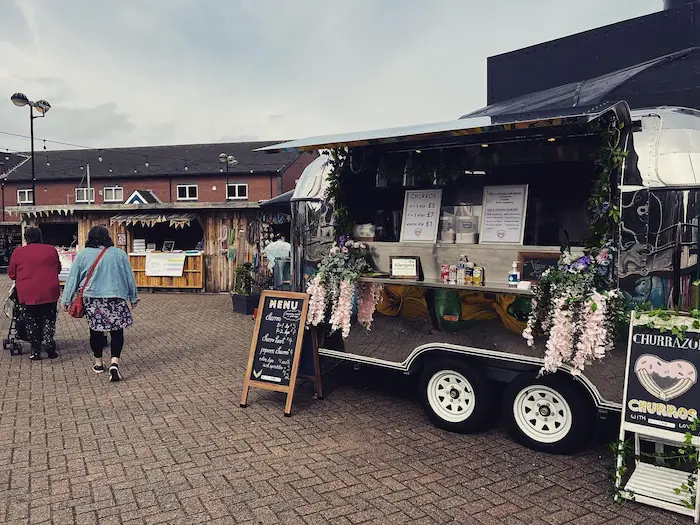
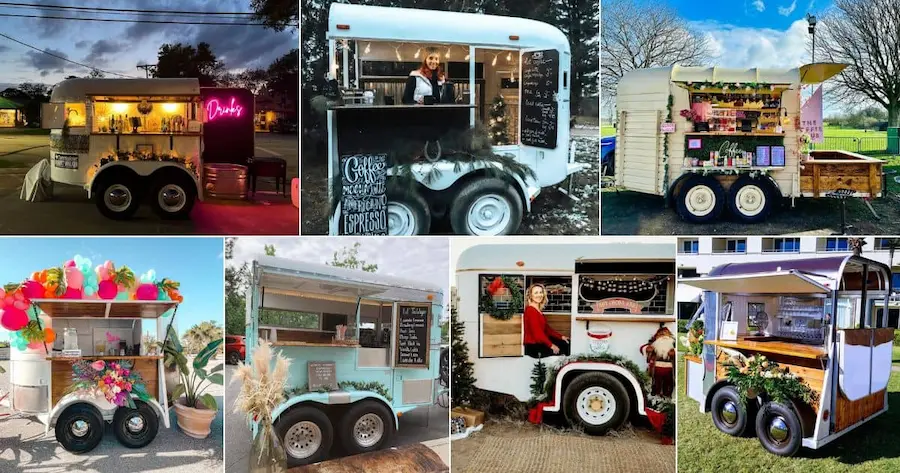
A food truck drives itself, so you can relocate quickly between a morning office stop and an evening festival. This freedom matters if you plan to chase foot traffic across multiple neighborhoods every day. On the other hand, a food trailer requires a tow vehicle, which means you need a truck or SUV with enough capacity — and you must practice hitching, parking, and maneuvering with the trailer attached.
However, mobility is not the same as flexibility. Many cities restrict food trucks from parking in prime spots, while trailers often fit into event lots and private sites that trucks cannot enter. In addition, a trailer lets you drop the unit and drive away, which frees your tow vehicle for errands during service hours. Therefore, think about your real daily routine before you prioritize speed over convenience.
Cost Comparison: Purchase and Operating
Cost separates the two options more than any other factor. As a general rule, a food trailer costs less to buy than a food truck of similar kitchen size, because a trailer has no engine, transmission, or cab. Moreover, insurance premiums and maintenance bills usually run lower for trailers, since you insure a simpler vehicle and service fewer mechanical parts.
That said, remember the hidden costs on the trailer side: you need a capable tow vehicle, and you must budget for hitches, brake controllers, and trailer registration. For a detailed, item-by-item look at pricing, read our guide on food trailer cost in 2026. The U.S. Small Business Administration also offers a practical startup cost guide to help you total every expense.
In most cases, the total investment — vehicle plus trailer — still lands below the price of an equivalent food truck. Consequently, first-time owners with tighter budgets usually start with a trailer.
Kitchen Space and Menu Capacity
Space directly limits your menu. A food trailer typically offers a more spacious mobile kitchen because the entire footprint belongs to the cooking area, with no cab taking up room. You can fit larger prep areas, more refrigeration, and a longer service counter. As a result, trailers suit menus with multiple cooking stations, while compact trucks work best for streamlined menus like coffee, ice cream, or tacos.
If menu breadth is your goal, plan the floor plan carefully. A well-designed mobile kitchen maximizes every square foot, and our team helps you map equipment and workflow before the build starts. You can see how we turn menus into efficient layouts in our complete food trailer buying guide and our project gallery.
Licensing and Compliance
Licensing requirements vary by city, state, and country, and neither vehicle automatically wins this round. Health departments treat both trucks and trailers as mobile kitchen operations, so you need permits, inspections, and proper equipment either way. The FDA Food Code provides the model most U.S. states adopt, but your local authority sets the exact rules.
However, trailers often enjoy one practical advantage: inspectors can open every panel and check the full kitchen easily, while truck kitchens hide more components behind engine compartments and cabinets. Consequently, some operators find trailer inspections smoother. In either case, verify the rules in every city where you plan to sell before you commit to a build.
Maintenance and Longevity
A food truck combines a vehicle with a kitchen, so you maintain two systems: engine, transmission, brakes, and bodywork — plus all the cooking equipment. A food trailer, by contrast, has no drivetrain, which removes a whole category of repair costs. You still service tires, brakes, suspension, and bearings, but the mechanical workload stays far lighter.
In addition, consider replacement and downtime. When a truck engine fails, your business stops entirely; when a trailer needs work, you can often swap in another tow vehicle or use a spare unit. Therefore, owners who plan long-term fleets often prefer a trailer-based mobile kitchen for its simplicity and easier upkeep.
When to Choose a Food Truck
Choose a food truck when mobility drives your business model. For example, a lunch truck that rotates through three office districts each week needs self-powered movement. Likewise, catering businesses that drive to private venues benefit from arriving as one self-contained unit.
A food truck also makes sense when you lack a suitable tow vehicle and do not want to buy one, or when local parking rules favor trucks at your target locations. In these cases, the higher purchase price buys genuine operational freedom.
When to Choose a Food Trailer
Choose a food trailer when budget, space, or event work matters most. For example, a food trailer suits operators who serve at festivals, farmers markets, and private lots, because you can drop the unit and use the tow vehicle for supply runs. Moreover, the lower entry cost lets you test your concept with less risk, and the larger kitchen supports a bigger menu.
Trailers also shine for businesses that operate from a fixed site, like a brewery taproom, a campground, or a shopping plaza. Finally, if you plan to build a fleet later, trailers scale more affordably — you can add units without buying additional engines.
The Decision Framework
Still torn? Weigh the food truck vs. food trailer trade-offs with these five questions in order:
- What is your total budget, including vehicle, equipment, and insurance?
- Will you roam daily, or operate from a fixed site?
- Do you already own a vehicle that can tow a trailer?
- How many menu items do you need to prepare on-site?
- What do local rules allow at your target locations?
If you answered “roam daily” and “no tow vehicle,” a food truck fits better. If you answered “fixed site or events” and “lower budget,” a food trailer fits better. For most first-time owners, the food trailer delivers the fastest path from idea to first service.
Conclusion
The food truck vs. food trailer decision comes down to your operating style, not a universal winner. Trucks offer self-powered mobility; trailers offer lower costs, more kitchen space, and simpler maintenance. Therefore, weigh the five questions above, match the answer to your plan, and move forward with confidence.
Ready to start building? Contact the Weikeer team for a custom food trailer designed around your menu — or browse our product range and our About Us page to see how factory-direct manufacturing saves you money. Talk to us today.
FAQ
1. Is a food truck or a food trailer more profitable?
Profitability depends on location, menu, and costs, not the food truck vs. food trailer choice alone. A trailer typically costs less to buy and maintain, which improves your margins; a truck can chase better locations throughout the day. Model your own numbers before you decide.
2. Can a food trailer go anywhere a food truck can?
Not exactly. A trailer needs a tow vehicle and adequate parking space, and some locations restrict trailers for safety or zoning reasons. Conversely, some event lots and private sites only accept trailers. Check local rules for your target spots.
3. Do food trailers need a special license?
Yes. Most regions require a food service permit and often a mobile vendor license for trailers, just as they do for trucks. Contact your local health department early, because requirements vary by city and state.
4. Which is easier to maintain: a food truck or a food trailer?
A food trailer is generally easier to maintain because it has no engine, transmission, or drivetrain. You still service brakes, tires, and suspension, but you avoid most vehicle repair costs.
5. Can I start with a food trailer and upgrade to a food truck later?
Yes, many owners do exactly that. Starting with a trailer lets you test your concept at a lower cost, and successful operators often expand into trucks or additional trailers as demand grows.