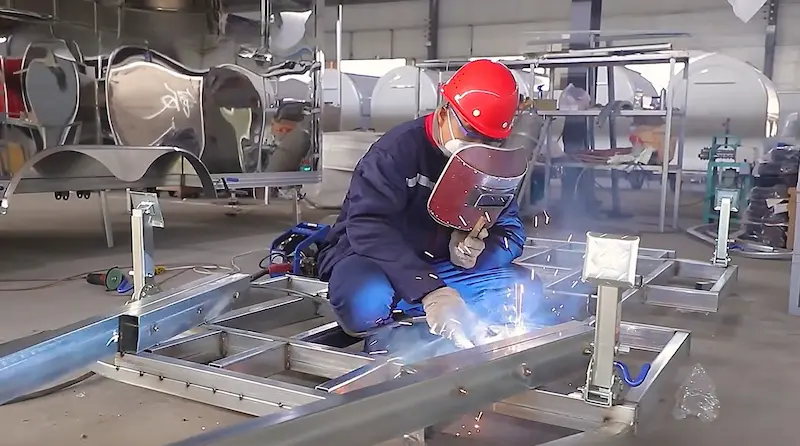


Owning a toilet trailer is a smart investment for events, construction sites, and public facilities. However, to maximize your return and ensure reliable operation, proper maintenance is essential. With regular care, a toilet trailer can remain durable, hygienic, and fully functional for many years.
1. Regular Cleaning and Sanitization
Maintaining hygiene is the top priority for toilet trailers:
-
Daily or post-use cleaning: Use mild disinfectants to clean toilets, sinks, and floors.
-
Waste tank management: Empty waste tanks regularly to prevent overflow or odor buildup.
-
Surface care: Wipe down stainless steel, fiberglass, and plastic surfaces to avoid corrosion or staining.
Consistent cleaning ensures user comfort and reduces long-term wear on materials.
2. Inspect and Maintain Plumbing Systems
Toilet trailers rely on water supply, drainage, and flush systems:
-
Check hoses and connections: Look for leaks, cracks, or loose fittings.
-
Maintain pumps: Ensure water pumps are operational and free from blockages.
-
Winter care: In colder climates, drain water systems or use antifreeze to prevent pipe damage.
Proper plumbing maintenance avoids costly repairs and ensures smooth operation.
3. Electrical System Maintenance
Modern toilet trailers often include lighting, hand dryers, or even sensor-activated fixtures. Keep the electrical system in top condition:
-
Inspect wiring and outlets: Look for wear, corrosion, or loose connections.
-
Test lighting and sensors regularly to confirm functionality.
-
Check power sources if using batteries or generators for off-grid locations.
A reliable electrical system ensures safety and uninterrupted service.
4. Chassis and Structural Inspections
The trailer’s frame and body must remain strong for mobility and durability:
-
Inspect the chassis and axles: Look for rust, cracks, or loose bolts.
-
Check tires and suspension: Ensure proper inflation and wear levels.
-
Examine doors and hinges: Lubricate moving parts to prevent stiffness or squeaking.
Routine inspections prevent breakdowns during transportation or operation.
5. Seasonal Maintenance
Depending on the climate, some seasonal tasks may be required:
-
Winterization: Drain water lines, add antifreeze, and protect sensitive components.
-
UV protection in summer: Check seals and coatings to prevent sun damage.
-
Storage: Keep the trailer under cover when not in use to extend the life of exterior materials.
Seasonal care ensures the trailer is ready for any event or deployment.
6. Keep a Maintenance Log
Documenting all maintenance activities helps track wear and identify potential problems early:
-
Record cleaning, plumbing checks, electrical inspections, and repairs.
-
Schedule routine maintenance based on usage frequency.
-
Review logs before major events or deployments to ensure readiness.
A maintenance log is an effective way to proactively prevent issues and maintain high service standards.
Conclusion
Proper maintenance is the key to long-term performance and reliability of a toilet trailer. Regular cleaning, plumbing and electrical inspections, structural checks, and seasonal care keep your trailer safe, hygienic, and durable.
For businesses renting or operating toilet trailers, these steps ensure consistent user satisfaction, lower repair costs, and longer equipment lifespan. Investing time in maintenance today saves both money and hassle tomorrow.