

When planning large events, providing clean and comfortable restroom facilities is not optional — it’s essential. Whether you’re organizing weddings, music festivals, corporate gatherings, or community fairs, investing in a restroom trailer can significantly enhance the guest experience.
However, buying a restroom trailer is a major investment. Before making a purchase, here are the key factors you should carefully evaluate.
1. Determine Your Event Type and Audience
Not all events require the same type of restroom trailer.
Ask yourself:
-
Is this for weddings or VIP events?
-
Outdoor festivals?
-
Construction sites?
-
Corporate or private parties?
For upscale events such as weddings or corporate gatherings, a luxury restroom trailer with flushing toilets, sinks with running water, mirrors, LED lighting, and climate control is often expected.
For more casual or high-traffic events, a standard multi-station restroom trailer may be sufficient.
Understanding your target market will help you choose the right level of comfort and design.
2. Estimate the Required Capacity
One of the most common mistakes buyers make is underestimating capacity.
A general guideline:
-
1 restroom stall per 50–100 guests for events lasting 4–6 hours
-
More units required if alcohol is served
-
Higher female-to-male ratio for weddings and concerts
For example:
-
100 guests → 2–3 stalls minimum
-
500 guests → 6–10 stalls depending on event type
If your business focuses on large-scale events, consider multi-station trailers with separate men’s and women’s sections.
3. Understand Water and Power Requirements
Restroom trailers require:
-
Fresh water supply
-
Waste (black/gray) water storage tanks
-
Electrical power for lighting, pumps, and HVAC
You need to decide:
-
Will the trailer connect to an external water source?
-
Will you use a generator or shore power?
-
What tank capacity is required for your typical event duration?
Large fresh water and waste tanks reduce servicing frequency and increase operational efficiency.
4. Check Local Regulations and Certifications
If you are buying a restroom trailer for the US, Europe, or Australia, compliance is critical.
Depending on the market, you may need:
-
DOT compliance (USA)
-
CE certification (Europe)
-
ADR or local transport regulations
-
Electrical safety certification
-
Plumbing standards compliance
-
ADA-compliant units for accessibility
Always confirm local import and road-use requirements before purchasing. Non-compliant trailers can cause delays, fines, or operational issues.
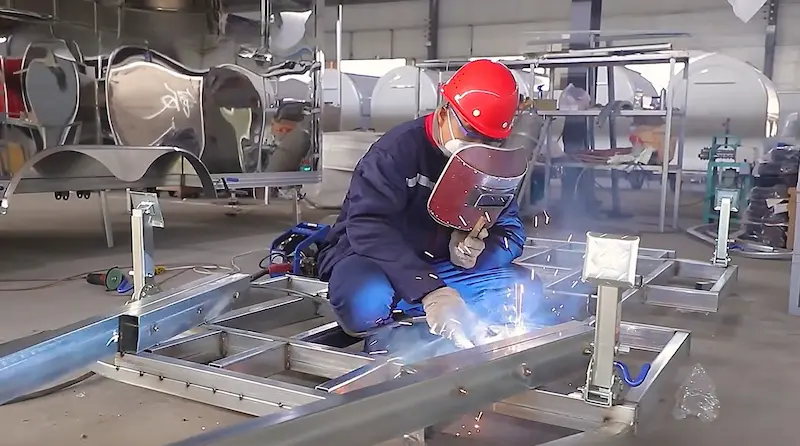
5. Trailer Build Quality and Materials
Durability directly impacts your long-term return on investment.
Look for:
-
Galvanized or powder-coated steel chassis
-
Waterproof wall panels (FRP or aluminum composite)
-
Non-slip flooring
-
High-quality plumbing systems
-
Reliable vacuum or gravity flush systems
Low-quality materials may reduce upfront cost but increase maintenance expenses.
A well-built restroom trailer should last 8–15 years with proper maintenance.
6. Climate Control Features
Events take place year-round.
Depending on your region, consider:
-
Air conditioning for hot climates
-
Heating systems for winter use
-
Proper insulation
-
Ventilation systems
Climate control greatly improves user comfort, especially for weddings and VIP events.
7. Ease of Transportation and Setup
Mobility is one of the biggest advantages of restroom trailers.
Important considerations:
-
Trailer size and weight
-
Axle configuration (single, tandem, or triple axle)
-
Towing vehicle requirements
-
Stabilizing jacks
-
Quick water and power connection systems
Efficient setup reduces labor costs and allows faster turnaround between rentals.
8. Maintenance and Serviceability
A restroom trailer is a working asset. Easy maintenance equals higher profitability.
Check:
-
Access panels for plumbing and electrical systems
-
Tank cleaning access
-
Replaceable components
-
Standardized parts availability
Choosing a manufacturer that provides after-sales support and spare parts is highly recommended.
9. Customization Options
If you are targeting a specific niche, customization can give you a competitive edge.
Popular customization options include:
-
Exterior branding for rental companies
-
Luxury interior finishes
-
LED ambient lighting
-
Touchless faucets and flush systems
-
Solar power options
-
Custom layouts for different guest ratios
A customized trailer can command higher rental rates.
10. Calculate Return on Investment (ROI)
Before purchasing, calculate your potential revenue.
Example:
-
Purchase price: $20,000–$40,000
-
Rental rate per event: $800–$2,500
-
Estimated bookings per month: 4–8 events
Many operators recover their investment within 6–18 months, depending on the market.
Understanding your local rental pricing helps determine the best trailer configuration for maximum profit.
Final Thoughts
Buying a restroom trailer for events is more than just purchasing equipment — it’s investing in a revenue-generating business asset.
Before making a decision, always evaluate:
-
Event type
-
Capacity needs
-
Compliance requirements
-
Build quality
-
Operational costs
-
Profit potential
A well-designed restroom trailer enhances guest satisfaction, improves your brand reputation, and delivers strong long-term returns.